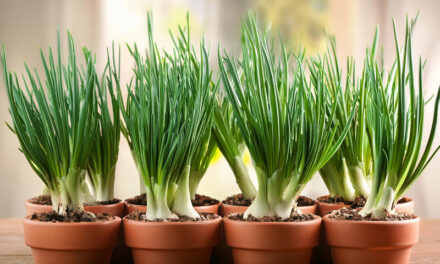
Want an endless supply of fresh spring onions? The way you cut and regrow them makes all the difference! Discover the best techniques for harvesting and regrowing spring onions so you never run out.
How to cut spring onions for harvesting
Spring onions (also known as scallions or green onions) are a kitchen staple, offering a fresh, mild onion flavor perfect for salads, soups, and garnishes. But to keep your plants producing, you need to cut them correctly. Here’s how:
- Use clean, sharp scissors or a knife – This prevents damage to the plant and reduces the risk of disease.
- Leave at least an inch (2-3 cm) above the soil – Never cut spring onions at the base. Instead, trim the green tops while leaving the white bulb intact. This encourages regrowth.
- Harvest in stages – Instead of cutting all your spring onions at once, harvest a few at a time. This keeps your supply going longer.
- For full removal, pull gently – If you need the whole onion, pull it carefully from the soil rather than cutting. This is best if you plan to start fresh with new seedlings.
How often can you cut spring onions?
Spring onions regrow quickly, usually within 7-14 days after cutting. If you harvest in rotation (cutting a few plants at a time), you can have a continuous supply all season.
Regrowing spring onions in soil
If you grow spring onions in your garden or a pot, regrowing them is incredibly easy. Follow these steps to keep your plants producing:
- Leave the white base with roots in the soil after cutting the greens.
- Water regularly to keep the soil moist but not soggy.
- Use a nitrogen-rich fertilizer every few weeks to support leafy growth.
- Protect from extreme heat or frost by growing in partial shade or using a garden cover.
With proper care, each spring onion plant can be harvested 3-5 times before it weakens and needs replacing.
Regrowing spring onions in water
If you don’t have a garden, you can still regrow spring onions in water on your kitchen counter! Here’s how:
- Place the white root ends in a glass of water, ensuring the roots are submerged but the tops are above the waterline.
- Change the water every 2-3 days to prevent bacteria and rot.
- Keep the glass in a sunny spot, like a windowsill.
- Harvest the green shoots when they reach 5-6 inches and repeat the process.
Spring onions regrown in water won’t last as long as those in soil, but you can usually get 2-3 good harvests before the plant weakens.
Common mistakes to avoid
- Cutting too low – Always leave at least an inch for regrowth.
- Letting them bolt – If your spring onions start flowering, the leaves become tough and bitter. Harvest regularly to prevent this.
- Not refreshing water – If regrowing in water, stale water can cause rot. Change it frequently.
- Overcrowding in soil – If planting new spring onions, space them about an inch apart to allow proper growth.
Frequently Asked Questions
1. How many times can I cut and regrow spring onions?
Spring onions can regrow 3-5 times in soil before their growth slows down. If grown in water, they usually last for 2-3 harvests before losing vigor.
2. How long does it take for spring onions to regrow after cutting?
Spring onions typically regrow within 7-14 days, depending on growing conditions. Warmer temperatures and proper watering help them regrow faster.
3. Can I regrow store-bought spring onions?
Yes! As long as they have intact roots, you can place the white base in water or soil and regrow them just like homegrown ones.
4. Why are my regrown spring onions thin and weak?
Thin regrowth usually happens due to lack of nutrients or light. If growing in soil, add a nitrogen-rich fertilizer. If growing in water, ensure they get plenty of sunlight and change the water frequently.
5. Should I trim the roots when regrowing spring onions in water?
No, the roots should be left intact to absorb water and nutrients. However, if they become too long or tangled, you can trim them slightly for better water absorption.
6. Can I plant spring onions in winter?
Spring onions are cold-tolerant and can survive mild winters, especially with some protection. If growing in containers, bring them indoors or use a cold frame to extend their growing season.
7. What’s the best fertilizer for spring onions?
Use a balanced fertilizer (such as 10-10-10) or one high in nitrogen to promote leafy growth. Organic options like compost or fish emulsion also work well.
8. Can I regrow spring onions indefinitely?
Not indefinitely, but by continuously planting new ones and rotating your harvest, you can maintain a steady supply all year round.
Final thoughts
Spring onions are one of the easiest vegetables to harvest and regrow, giving you a nearly endless supply with minimal effort. Whether you’re growing them in soil or water, proper cutting techniques ensure a continuous harvest. Keep them well-watered, fertilized, and harvested regularly, and you’ll always have fresh, homegrown spring onions on hand!